Eat Well....Wander Well

Wellness travel has expanded far beyond the traditional spa getaway. Today’s travelers are looking for trips that help them sleep better, move more, reconnect with nature, manage stress and invest in their long-term health. This month, Culinary Latitudes is exploring the latest wellness travel trends and how you can convert them into big-ticket luxury bookings.
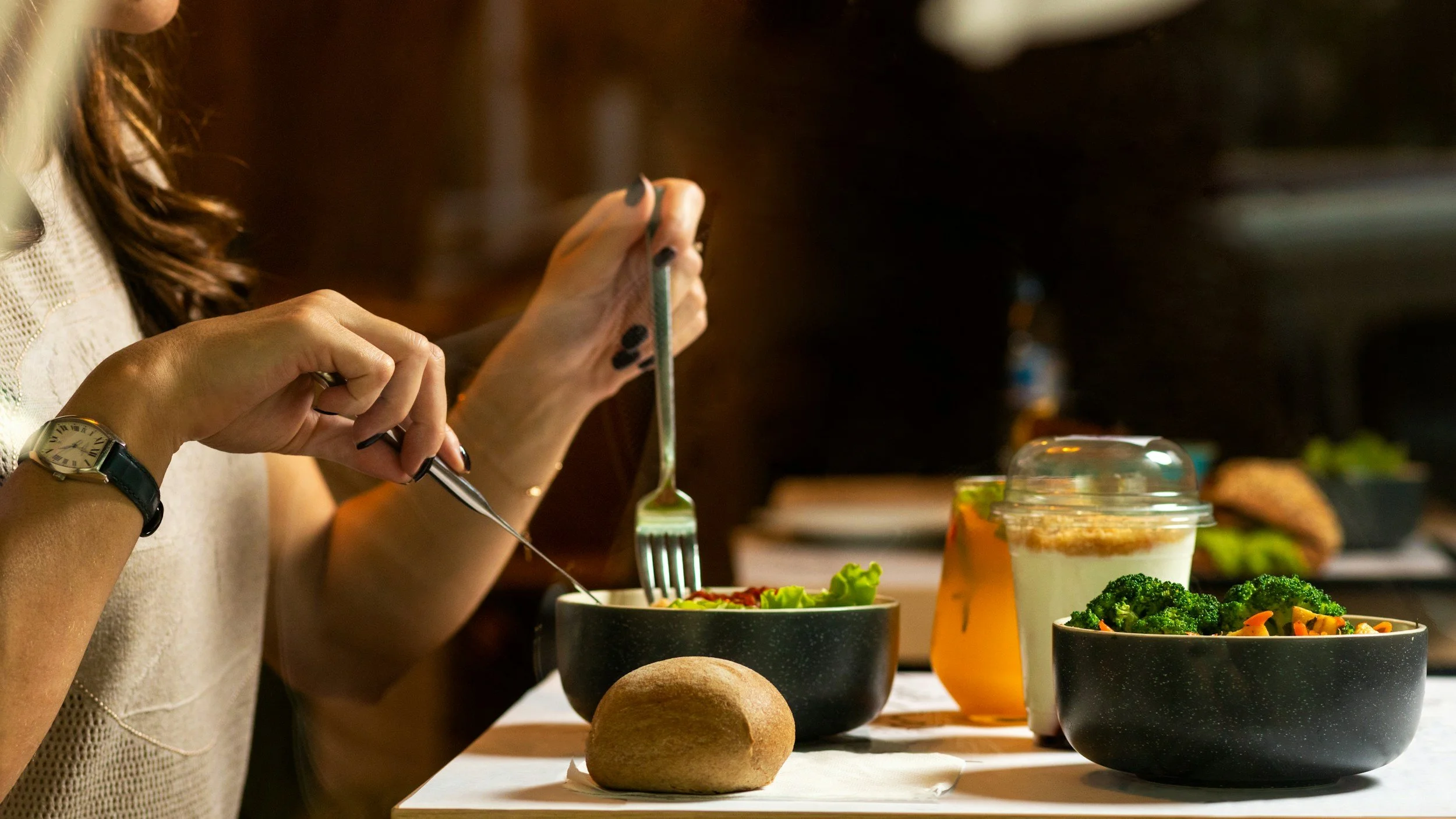
Tips for Eating Well on the Road

  • Visit local markets. Fresh fruit, nuts, and regional specialties make easy, nourishing snacks.

  • Eat slowly. Treat meals as the main event instead of a pit stop between sights.

  • Stay hydrated. Travel and unfamiliar climates can dehydrate you quickly.

  • Balance indulgence and nourishment. Savor the pastry in Paris, then follow it with a lighter meal.

  • Ask locals where they eat. The best, and often healthiest, meals are rarely at tourist hot spots.

Oceania Cruises is now offering even more enrichment programs than before. Besides opportunities for fun and entertaining classes like art and destination programs you can tour exotic towns with the ship’s chef visitng local markets and more. You can also take cooking classes in a full kitchen, try culinary dishes from all corners of the world, and even request special dining needs to help you stay on track. Guests can currently book a (one time only May of 2028) “celieac disease sailing” where the entire ship’s menus and culinary delights will all be gluten free. Oceania is know for marketing as themselves as the “Finest Cuisine at Sea!”

Learn More About Our Oceania Trip to Japan

Wellness travel comes in many forms, depending on what kind of restoration you're after. Here are the main types:

Physical wellness
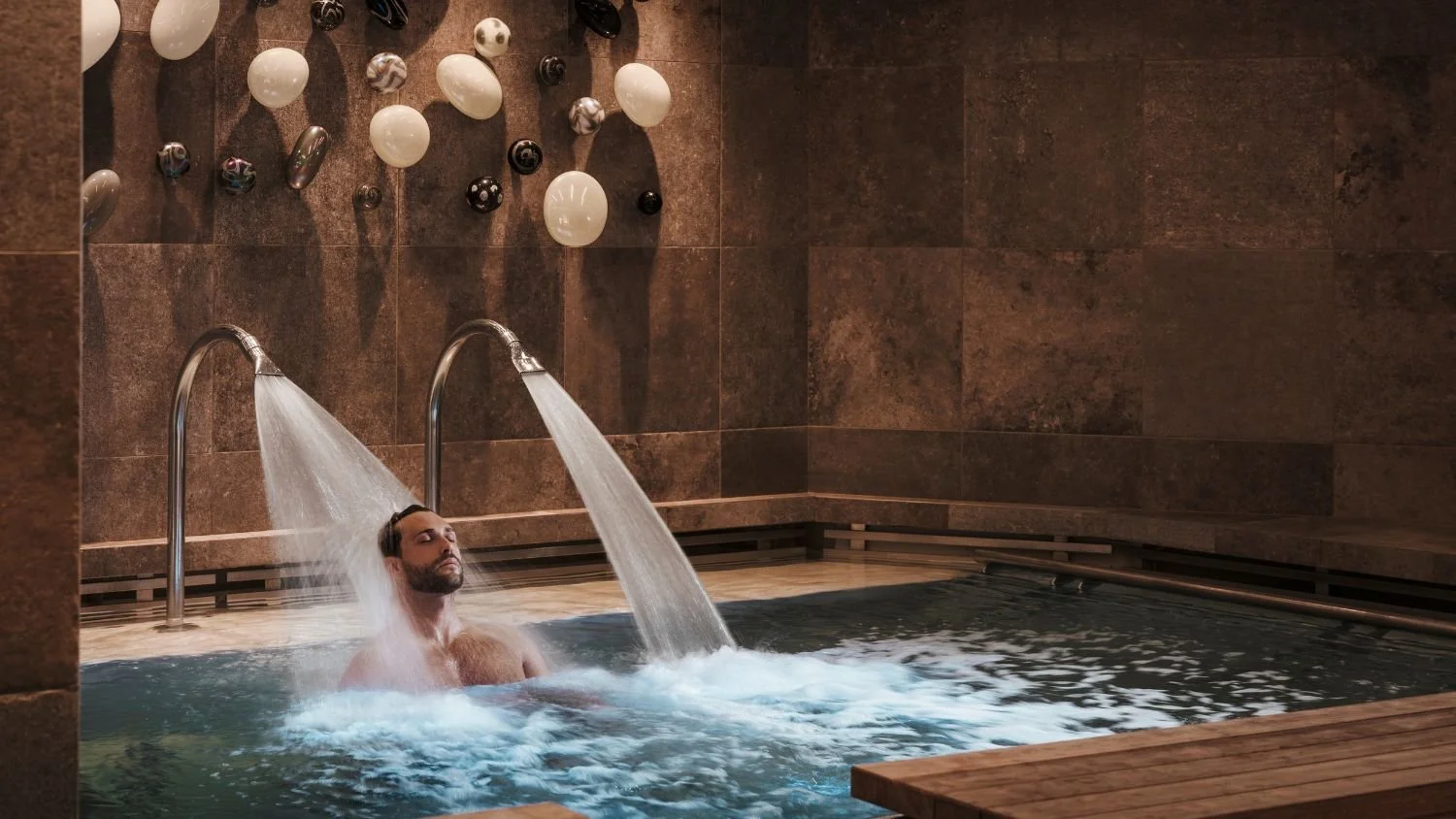
Explora Journeys Spa

  • Spa and thermal retreats: Hot springs, mineral baths, and thalassotherapy (seawater treatments) in places like Iceland, Japan's onsen towns, Hungary, and Colorado's own hot springs region.

  • Fitness and adventure travel: Hiking, cycling, surfing, or trekking trips that build strength and get you outdoors.

  • Yoga and Pilates retreats: Multi-day immersions in places like Bali, Costa Rica, or India.

  • Detox and nutrition retreats: Guided programs focused on whole foods, fasting protocols, or cooking classes built around healthy eating.

Mental and emotional wellness

  • Meditation and mindfulness retreats: Silent retreats, Vipassana courses, or monastery stays in Thailand, Nepal, or California.

  • Digital detox travel: Camps or lodges where phones are set aside so you can disconnect and reset.

  • Solo restorative travel: Unstructured time alone to reflect, journal, and recharge.

  • Therapeutic or coaching retreats: Programs addressing stress, burnout, grief, or life transitions.

Nature-based wellness

  • Forest bathing (shinrin-yoku): Slow, immersive time in forests, popular in Japan and increasingly elsewhere.

  • Camping and wilderness retreats: Time in remote landscapes to lower stress and improve sleep.

  • Beach and ocean escapes: Swimming, sailing, and coastal walks.

  • Farm stays and agritourism: Working with the land, eating fresh food, and slowing down.

Cultural and spiritual wellness
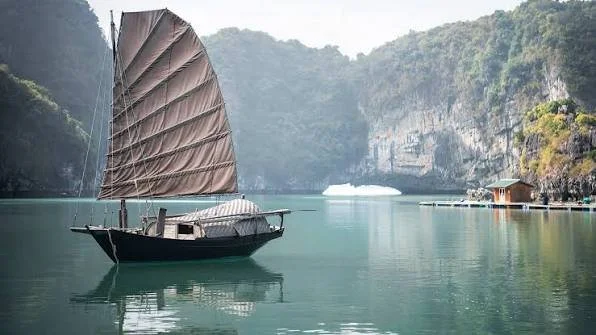
  • Pilgrimages:https://travefy.com/website/Vietnam-ywtar32qctdjzq2 Walks like the Camino de Santiago, or visits to sacred sites that combine movement with meaning.

  • Traditional healing traditions: Ayurveda in India and Sri Lanka, traditional Chinese medicine, or Indigenous healing practices (best approached with respectful, reputable providers).

  • Sound healing and breathwork retreats: Experiential programs focused on relaxation and nervous system regulation.

Social and purpose-driven wellness

  • Volunteer travel: Giving back, which can boost sense of purpose and connection.

  • Creative retreats: Writing, painting, or music workshops that nurture self-expression.

  • Group wellness trips: Shared experiences with friends or like-minded travelers.

Everyday-friendly options

  • Wellness weekends: Short local getaways, such as a cabin stay or spa day.

  • Sleep tourism: Stays focused on quality rest, with sleep-optimized rooms and programs.

  • Slow travel: Staying longer in one place, walking more, and skipping a packed itinerary.
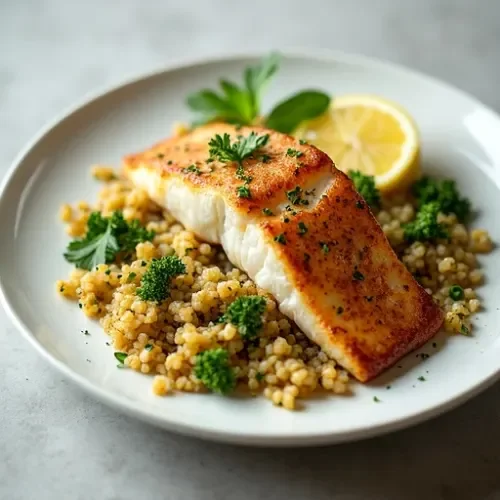
Luxury sailings provide menus filled with good clean cuisine. Here is a recipe that leans towards healthy mediterranean eating. Enjoy!

Pan-Seared Sea Bass with Lemon Quinoa and Roasted Tomatoes

A light, Mediterranean-style dish with flaky fish, bright citrus, and sweet roasted tomatoes.

INGREDIENTS - 4 Guests

• 1.5 lbs sea bass fillets, skin-on

• 3 tablespoons extra virgin olive oil, divided

• 1/2 pound cherry tomatoes

• 2 garlic cloves, sliced

• 1 cups quinoa, rinsed

• 2 cups low-sodium vegetable broth

• 2 lemons, zested and juiced

• 1 fennel bulb, thinly shaved

• 0.3 cups fresh parsley, chopped

• 0.3 cups Kalamata olives, halved

• 1 teaspoons salt

• 0.5 teaspoons black pepper

STEPS

1. Roast the tomatoes: Heat the oven to 220°C (425°F). Toss 300 grams cherry tomatoes and 2 garlic cloves, sliced with 1 tablespoon of 3 tablespoons extra virgin olive oil, divided and a pinch of 1 teaspoons salt. Spread on a sheet pan and roast until blistered and jammy.

2. Cook the quinoa: Combine 1 cups quinoa, rinsed and 2 cups low-sodium vegetable broth in a saucepan. Bring to a boil, cover, reduce heat, and simmer until the liquid is absorbed. Rest off the heat, covered, then fluff with a fork.

3. Dress the quinoa: Stir the zest of the 2 lemons, zested and juiced and half of the juice into the quinoa along with 0.3 cups Kalamata olives, halved and half of the 0.3 cups fresh parsley, chopped. Fold in the shaved 1 fennel bulb, thinly shaved, which stays crisp and fresh.

4. Sear the fish: Pat 680 grams sea bass fillets, skin-on very dry and season with the remaining 1 teaspoons salt and 0.5 teaspoons black pepper. Heat the remaining 3 tablespoons extra virgin olive oil, divided in a non-stick skillet over medium-high heat. Cook skin-side down, pressing gently for the first 30 seconds, until the skin is crisp.

5. Flip and finish: Flip the fillets and cook until just opaque in the center. Squeeze the remaining lemon juice over the fish.

6. Plate: Spoon the quinoa onto plates, top with the fish, and spoon the roasted tomatoes and their juices over it. Finish with the remaining parsley.

NOTES

Halibut, cod, or snapper work well in place of sea bass. For a vegetarian version, swap the fish for pan-seared white beans or grilled halloumi. Roughly 400 calories per serving.
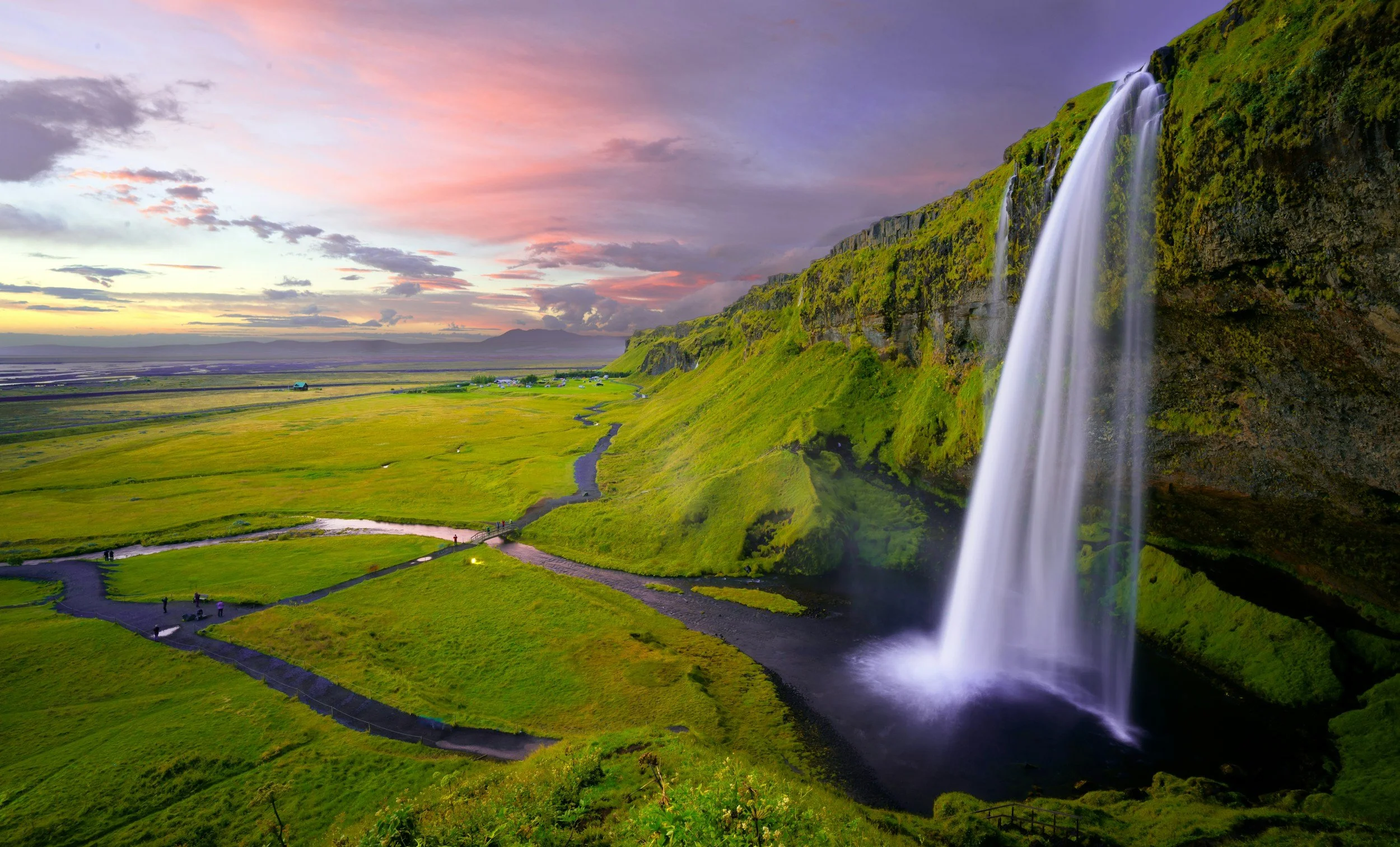
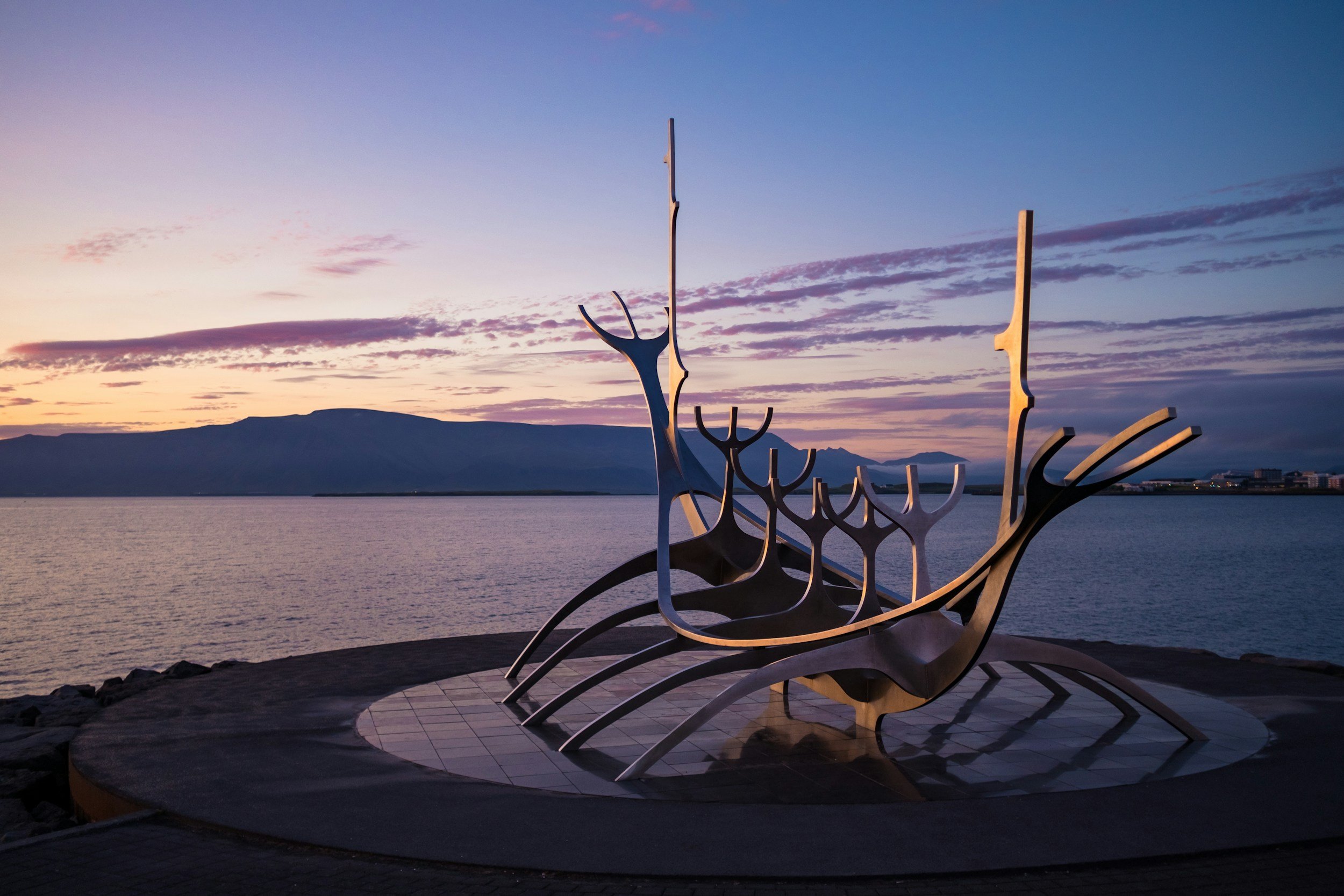
Traveling Cool When it's Really Hot

Iceland

Article by: Rick Steves; August 2026

“Earlier this summer, many of our travelers happened to be vacationing in Germany for a record-breaking moment there…the hottest day ever recorded. Happy travels?

Unfortunately, "hottest days ever recorded" are becoming commonplace. Thanks to the impact of climate change, heat records are routinely shattered and tragedies like the recent wildfires in France, Spain, and Greece are becoming far too common. From a traveler's perspective, the potential for extreme summer heat is simply part of the European experience.

Of course, the easiest way to avoid the heat is to visit Europe in the cooler months — or take a summer "coolcation" to a chillier country like Iceland, Scotland, or Norway. But if your plans are set and a heat wave is on your horizon, there are plenty of ways to still have a great trip.

The first step is to choose a positive attitude. Yes, it's hot — and we all know that's a drag. But if you've spent your hard-earned money to travel all this way, why let something you can't control steal the joy from your trip? You can grumble constantly about the heat, or you can remind yourself: Hey…I'm in Europe!

Next, find smart ways to stay cool. In this Travel News, you'll find my practical tips for beating the heat: what to pack, sightseeing priorities, how to navigate bad (or no) AC… These are just some of the strategies our tour guides use to prevent our groups from wilting — and they work great for independent travelers, too.

Then there's the morality of traveling considering the hard truth of climate change. We propose two things: 1. minimize and pay for the carbon you create, and 2. nurture a global and environmental citizenship in the way you vote. We travelers should reckon honestly with the role we play in contributing to the climate crisis. International travel — especially transatlantic flights — leaves a serious carbon footprint. That's why we at Rick Steves' Europe innovated our Climate Smart Commitment, a self-imposed carbon tax where — for every person who joins our tours — we invest $30 in a variety of projects that address the root causes of climate change while helping struggling farmers in the Global South contribute less to global warming. Our goal, put simply: to produce enough carbon savings through our investment in these initiatives to creatively mitigate the carbon Rick Steves travelers create by flying to Europe. Since 2019, we've donated over $5 million…and with another 30,000 eager travelers hopping on our bus this year (and again in 2027), that number — unlike our footprint — continues to grow. We'd love you to join our commitment and even make one of your own.

Finally, cast your vote with these issues in mind. Even if you aren't traveling, if you care about our environment — and a livable planet for the world's poor today, and for our children tomorrow — show it at the ballot box. Just like the USA, Europe has watched heat waves, wildfires, and droughts become increasingly familiar — and costly. But Europeans aren't continuing to say "drill baby drill" while parts of the continent burn. Instead, they believe the scientific consensus that humans have caused our climate distress, and that our choices going forward matter: They can either improve it…or make it worse. As extreme weather becomes tragically routine, looking after our planet's health should be an ethical rather than partisan issue — it's just common sense.

Europe is a joy at any time of year. If you happen to be traveling during a heat wave, you can still create wonderful memories — just follow tips to beat the heat, adopt a positive mindset, and do what you can to travel in a way that's "climate smart."“

From Rhonda at Culinary Latitudes Travel: While Rick Steves writes of his own reasons for a “coolcation”; we want to share how popular places like Iceland, Alaska, Norway, Finland, and Greenland are for our clients. We are here for you if you have any of these destinations in mind. We’ve recently added a Greenland trip with group rates happening September of 2027! Reach out to us for more information.

Layer Up, Sail On: Everything You Need to Pack for a Windstar Cruise in Iceland

Packing for a Windstar cruise in Iceland comes down to one essential strategy: layering. Temperatures typically hover around 50°F, and the weather can shift from sunshine to rain and wind within minutes, so you'll want thermal base layers, a fleece or insulated mid-layer, and a waterproof, windproof outer shell as your foundation. Sturdy waterproof hiking boots are critical since shore excursions often involve muddy meadows, steep trails, and rugged terrain, and touchscreen gloves, a warm hat, and a scarf will make a big difference during outdoor time. Since Windstar is smart-casual rather than formal, you only need one or two nicer outfits for evenings onboard, and because the ship offers a laundry package, you can pack lighter and rely on rewearing your versatile layers throughout the week. Don't forget swimwear for Iceland's famous thermal pools, and if you're prone to seasickness, come prepared — as a small ship, you'll definitely feel the ocean on Windstar.


Clothing — The Key is Layering

Iceland's weather is unpredictable, so the layering system is your best friend.

Base Layer

  • 2–3 thermal/moisture-wicking long-sleeve tops

  • 2–3 thermal leggings

  • Camisoles or undershirts

Mid Layer

  • 1–2 fleece pullovers or sweaters

  • 1 light cardigan

  • 1 insulated/down packable jacket

Outer Layer

  • 1 waterproof, windproof rain jacket (hood essential)

  • Rain pants are worth considering — popular waterfalls can sit behind soggy meadows with mud rising around your shoes with every step. Rick Steves Travel Forum

Everyday Wear

  • 2–3 pairs of versatile pants (e.g., athletic/travel pants)

  • 1–2 casual tops for warmer moments onboard

  • 1–2 smart/dressy outfits for evenings (Windstar is smart-casual, not formal)

Swimwear

  • 1–2 swimsuits — thermal pools are a highlight in Iceland, and you'll want to be prepared.

Footwear

Sturdy, waterproof boots are a must, as excursions often involve icy paths or rugged terrain.

  • Waterproof hiking boots with good traction

  • Comfortable walking/training shoes

  • Flip-flops or sandals for onboard use/pool

  • Smart shoes or flats for evenings

Accessories

  • Warm wool or fleece hat

  • Touchscreen-compatible gloves

  • Scarf or pashmina (doubles as a head covering)

  • At least one hiking pole is recommended for more energetic Windstar shore excursions with steep and muddy segments. Rick Steves Travel Forum

Health & Wellness

  • Motion sickness remedies — Windstar is a small ship, and you will feel the ocean. A scopolamine patch prescription is worth considering if you're prone to seasickness.

  • Seasickness bands

  • Sunscreen (sun can be strong even when cold)

  • Lip balm with SPF

  • Hand lotion (wind is very drying)

  • Any personal medications

Gear & Accessories

  • Waterproof day bag or backpack for excursions

  • Reusable water bottle

  • Camera + extra memory cards

  • Binoculars (great for wildlife — puffins, whales, seabirds)

  • Portable charger/power bank

  • Universal power adapter (Iceland uses European Type F plugs)

  • Sunglasses

Practical Tips

  • Windstar ships have no self-serve laundry, but offer a laundry package (around $100 for the week with 24-hour turnaround), so you can pack lighter and rewear layers. Rick Steves Travel Forum

  • Pack your swimsuit in an easily accessible spot for spontaneous thermal pool stops.

  • If you're visiting the Blue Lagoon before or after the cruise (near Keflavik Airport), keep swimwear and toiletries accessible.

This list should set you up well for everything from rugged shore excursions to cozy evenings onboard. Have a wonderful trip! 🧡

Hi from Rhonda: Travel is Still Strong

Hi from Rhonda: Travel is Still Strong

As I write this, I'm barely back from the warm Gulf breezes of Naples, Florida — and already my mind is racing ahead to the mountains of Colorado, the midnight sun of Iceland, and everything in between. That restless itch to get up and go? It hasn't faded one bit. And from everything I'm seeing and hearing, I'm not alone.

Ultimate Guide to Sailing Vacations with CR's Exclusive Ratings

*Insights and commentary throughout this article have been contributed by Rhonda Macier Lathen, owner of Culinary Latitudes Travel, and reflect her firsthand professional experience. We hope you enjoy this informative piece.

Relaxing Caribbean getaways exciting Alaskan adventures, European city tours - there’s a dream voyage for everyone. Here’s how to find the perfect choice for your interests and budget!

Article written by: Lisa L Gill, CR.org; May-June 2026

More people than ever are choosing cruises for vacations, celebrations, and bucket list adventures.

In the U.S. alone, nearly 22 million people are expected to book a cruise in 2026. According to AAA - up more than 50 percent over the past six years.

Why the uptick in popularity? In a word: Value. a 2024 J.P. Morgan industry analysis found that cruises are often less expensive than land-based vacations. “A single fare typically covers your cabin, meals, entertainment, and transportation between ports say Stewart Chiron (aka The Cruise Guy), a cruise industry expert.

Cruises are also convenient, letting you visit several destinations while unpacking only once. And cruise ships sail almost everywhere, including places like Antarctica that are difficult or impossible to reach another way.

To meetthe growing demand, cruise lines have expanded their fleets and introduced new routes and new experiences that appeal to a wider audience. But all that variety can make finding the right fit a challenge. And given that cruises can cot several thousand dollars per person or more, choosing wisely matters.

This guide - including CR’s first-ever cruise line ratings, based on a survey of 1,850 members - will walk you through the key decisions and help you avoid potential problems so you can confidently select a cruise you’ll love.

Which Type is Sailing is Right for You?

Your experience will largely depend on the category of cruise you choose - even when sailing to the same destinations. “A cruise on a small, luxury ship is nothing like being on a large or megaship,” says Tom Baker, president of the CruiseCenter travel agency in Houston. “One feels like staying in a high-end hotel, while the other has the amentities and feel of a bustling full-service resort or Las Vegas-style casino hotel.”

While there is some overlap among them, cruises fall into five basic types. Here’s what you need to know about each one, including notable perks beyond the basics (like cabins, meals, gyms, and entertainment, which are included swith every type of cruise).

Expedition

  • Number of Passengers Fewer than 300

  • Cruise Lines National Geographic, Linblad, Seaborne, Silversea, Windstar

  • Per-person Adult Fare $5,480 to $10,890 *(this varies)

  • Often Included Shore excursions, all drinks, basic WiFi, overnight accommodations at some ports, laundry.

  • Atmosphere & Amenities Small ships with a high standard of service; lectures by experts; some offer spas, hot tubs, and gyms. All cabins have ocean views and/or balconies.

  • Best For Intellectually curious adenturers seeking active and enriching experience in far-flung destinations like Antarctica and the Galapagos Islands.

Typical Cruise Length ~ 10 Days

Small-Ship Luxury

  • Number of Passengers Fewer than 600

  • Cruise Lines Windstar, Regent, Seaborne, Silversea

  • Per-person Adult Fare $5,480 to $10,845

  • Often Included Some shore excursions, spa service, all drinks, premium dining, WiFi, room service, overnight accommodations at some ports.

  • Atmosphere & Amenities Elegant ships with a high standard of service, lectures and musical performances, some have infinity pools, spas, gourmet dining. Some may require formal wear for certain events. All cabins have ocean views and/or balconies.

  • Best For Travelers looking for luxury (butler service, fine linens, etc.) exclusivity, and enrichment programs in an adults-focused environment.

Luxury & Premium

  • Number of Passengers Typically 600-1200 (Cunard & Virgin carry many more.)

  • Cruise Lines* Azamara, Cunard, Oceania, Viking, Virgin

  • Per-person Adult Fare $2,090 to $7,085

  • Often Included Specialty dining, some onshore excursions, laundry, some drinks, Wifi.

  • Atmosphere & Amenities Personalized service, some are adults-only, multiple dining options, lectures, musical revues, gyms, spas, casinos, pools. Some may have formal dinners. Cabins range from windowless to suites with balconies.

  • Best For People who want luxury or premium service and a wider range of activities and amenities than those offered on small luxury ships.

*Culinary Latitudes thoughts ~ we would like to add Explora Journeys to this list of cruise lines. It is a newer line owned by MSC.

Large & Megaship

  • Number of Passengers 1200-5600+

  • Cruise Lines Celebrity, Disney, Holland, Norwegian, Carnival, Royal Caribbean, Princess, MSC

  • Per-person Adult Fare $1,110 to $2,950

  • Often Included Extensive onboard activities such as surf simulators and water rides, rock-climbing walls, zip lines, go-karts, roller coasters.

  • Atmosphere & Amenities Essentially floating resorts with multiple pools, bars, and dining options, casinos, Broadway-style shows, cinemas, dance clubs. Dress is mostly casual, sometimes formal. Cabins range from interior ones to suites with balconies.

  • Best For Budget-minded cruisers, groups, and families who don’t mind a crowd and want something for everyone,

River

  • Number of Passengers Usually fewer than 250

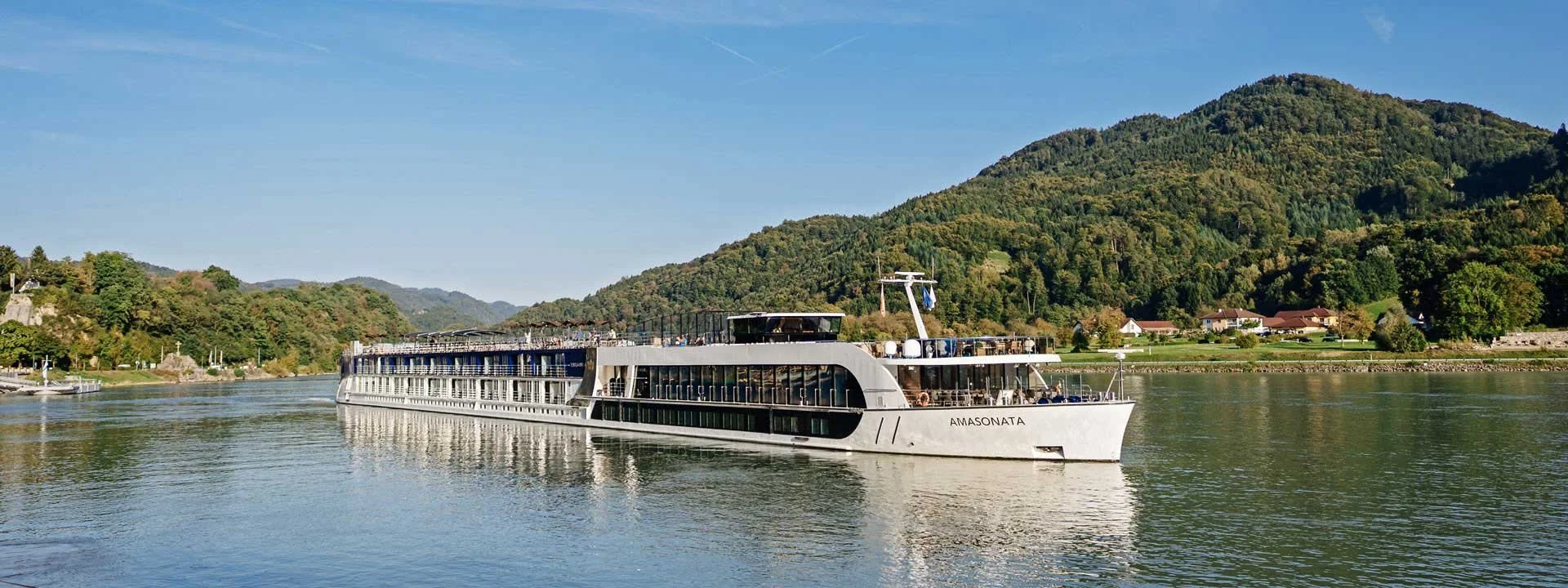
  • Cruise Lines* AmaWaterways, Avalon Waterways, American, National Geographic-Linblad, Viking

  • Per-person Adult Fare $2,000 to $10,000

  • Often Included Beer and wine at lunch and dinner, some excursions, WiFi, bicycles at ports.

  • Atmosphere & Amenities Essentially floating resorts with multiple pools, bars, and dining options, casinos, Broadway-style shows, cinemas, dance clubs. Dress is mostly casual, sometimes formal. Cabins range from interior ones to suites with balconies.

  • Best For Budget-minded cruisers, groups, and families who don’t mind a crowd and want something for everyone,

*Culinary Latitudes thoughts ~ AmaWaterways and other river cruises do offer daily tours free of charge. We would like to add Scenic and Emerald to the list of possible cruise lines.

Most Expensive Region ~ Asia

Least Expensive Region ~ Caribbean

Won’t you consider joining Culinary Latitudes on your next adventure? Our preferred sailing are typically with Windstar, Oceania, Explora Journeys, Azamara, and Amawaterways!

CR’s Ratings

Just 3 ships scored high enough to earn Consumer Reports recommendation, but many other won high marks for food, activities, cabin comfort, cleanliness, and other key factors.

Top Cruise lines -

  1. National Geographic-Linblad scored 93

  2. Windstar Cruises-scored 84

  3. Viing Ocean-scored 84

Culinary Latitudes notes:

The 3 top lines were followed by Disney, Regent, Silversea & Azamara all rated in the 70s. The 19 rated cruise lines placed anywhere between 49 and 93. Research was based on value, food quality and variety, customer service, excursions, onboard activities and entertainment, cleanliness, cabin comfort, price transparency, app usefulness, embarkations/disembarkations, accessibility for people with disabilities, and family programs and resources. We do agree with the placement of most of the findings. Please see CR’s May-June 2026 issues to learn more.

Rh0nda Macier Lathen, Owner & Founder of Culinary Latitudes, llc

The Most Romantic European River Cruise

The Most Romantic European River Cruise