
Wellness travel has expanded far beyond the traditional spa getaway. Today’s travelers are looking for trips that help them sleep better, move more, reconnect with nature, manage stress and invest in their long-term health. This month, Culinary Latitudes is exploring the latest wellness travel trends and how you can convert them into big-ticket luxury bookings.
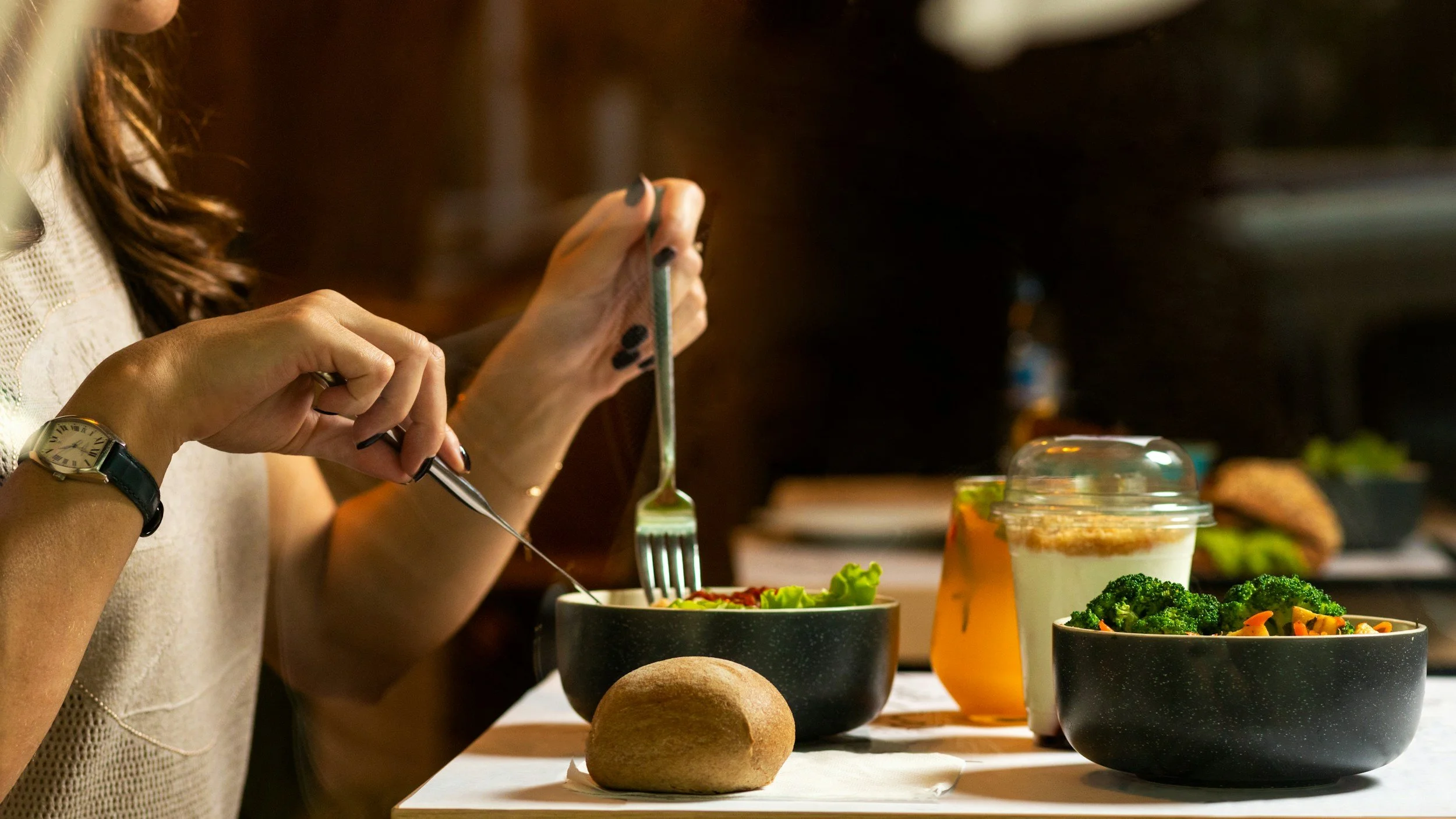
Tips for Eating Well on the Road
Visit local markets. Fresh fruit, nuts, and regional specialties make easy, nourishing snacks.
Eat slowly. Treat meals as the main event instead of a pit stop between sights.
Stay hydrated. Travel and unfamiliar climates can dehydrate you quickly.
Balance indulgence and nourishment. Savor the pastry in Paris, then follow it with a lighter meal.
Ask locals where they eat. The best, and often healthiest, meals are rarely at tourist hot spots.
Oceania Cruises is now offering even more enrichment programs than before. Besides opportunities for fun and entertaining classes like art and destination programs you can tour exotic towns with the ship’s chef visitng local markets and more. You can also take cooking classes in a full kitchen, try culinary dishes from all corners of the world, and even request special dining needs to help you stay on track. Guests can currently book a (one time only May of 2028) “celieac disease sailing” where the entire ship’s menus and culinary delights will all be gluten free. Oceania is know for marketing as themselves as the “Finest Cuisine at Sea!”
Learn More About Our Oceania Trip to Japan
Wellness travel comes in many forms, depending on what kind of restoration you're after. Here are the main types:
Physical wellness
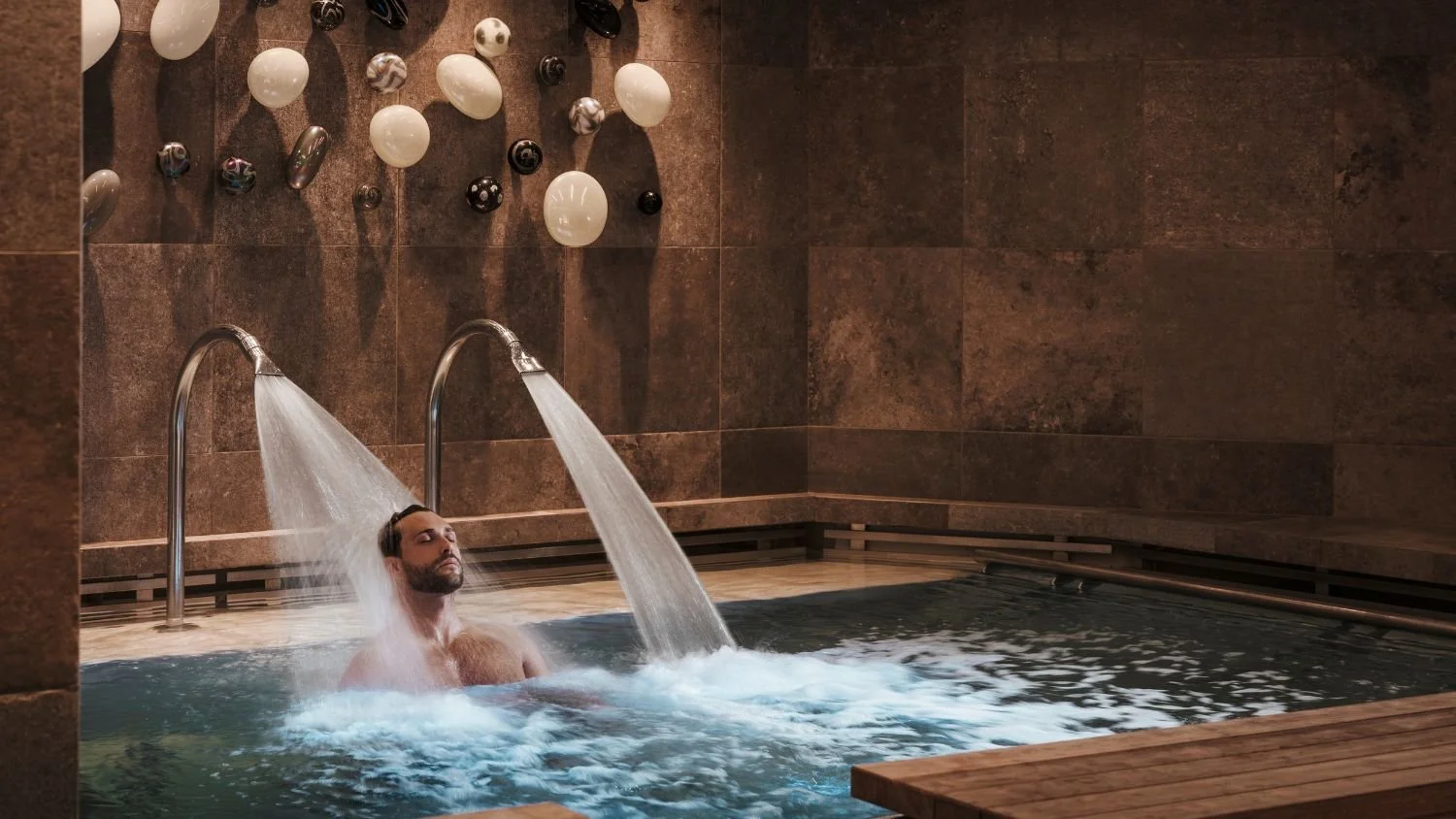
Explora Journeys Spa
Spa and thermal retreats: Hot springs, mineral baths, and thalassotherapy (seawater treatments) in places like Iceland, Japan's onsen towns, Hungary, and Colorado's own hot springs region.
Fitness and adventure travel: Hiking, cycling, surfing, or trekking trips that build strength and get you outdoors.
Yoga and Pilates retreats: Multi-day immersions in places like Bali, Costa Rica, or India.
Detox and nutrition retreats: Guided programs focused on whole foods, fasting protocols, or cooking classes built around healthy eating.
Mental and emotional wellness

Meditation and mindfulness retreats: Silent retreats, Vipassana courses, or monastery stays in Thailand, Nepal, or California.
Digital detox travel: Camps or lodges where phones are set aside so you can disconnect and reset.
Solo restorative travel: Unstructured time alone to reflect, journal, and recharge.
Therapeutic or coaching retreats: Programs addressing stress, burnout, grief, or life transitions.
Nature-based wellness

Forest bathing (shinrin-yoku): Slow, immersive time in forests, popular in Japan and increasingly elsewhere.
Camping and wilderness retreats: Time in remote landscapes to lower stress and improve sleep.
Beach and ocean escapes: Swimming, sailing, and coastal walks.
Farm stays and agritourism: Working with the land, eating fresh food, and slowing down.
Cultural and spiritual wellness

Pilgrimages:https://travefy.com/website/Vietnam-ywtar32qctdjzq2 Walks like the Camino de Santiago, or visits to sacred sites that combine movement with meaning.
Traditional healing traditions: Ayurveda in India and Sri Lanka, traditional Chinese medicine, or Indigenous healing practices (best approached with respectful, reputable providers).
Sound healing and breathwork retreats: Experiential programs focused on relaxation and nervous system regulation.
Social and purpose-driven wellness
Volunteer travel: Giving back, which can boost sense of purpose and connection.
Creative retreats: Writing, painting, or music workshops that nurture self-expression.
Group wellness trips: Shared experiences with friends or like-minded travelers.
Everyday-friendly options
Wellness weekends: Short local getaways, such as a cabin stay or spa day.
Sleep tourism: Stays focused on quality rest, with sleep-optimized rooms and programs.
Slow travel: Staying longer in one place, walking more, and skipping a packed itinerary.
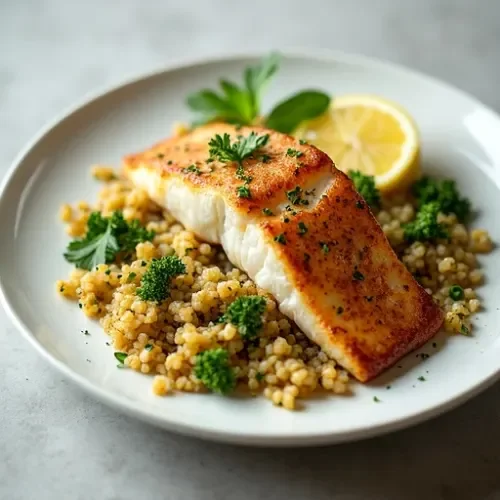
Luxury sailings provide menus filled with good clean cuisine. Here is a recipe that leans towards healthy mediterranean eating. Enjoy!
Pan-Seared Sea Bass with Lemon Quinoa and Roasted Tomatoes
A light, Mediterranean-style dish with flaky fish, bright citrus, and sweet roasted tomatoes.
INGREDIENTS - 4 Guests
• 1.5 lbs sea bass fillets, skin-on
• 3 tablespoons extra virgin olive oil, divided
• 1/2 pound cherry tomatoes
• 2 garlic cloves, sliced
• 1 cups quinoa, rinsed
• 2 cups low-sodium vegetable broth
• 2 lemons, zested and juiced
• 1 fennel bulb, thinly shaved
• 0.3 cups fresh parsley, chopped
• 0.3 cups Kalamata olives, halved
• 1 teaspoons salt
• 0.5 teaspoons black pepper
STEPS
1. Roast the tomatoes: Heat the oven to 220°C (425°F). Toss 300 grams cherry tomatoes and 2 garlic cloves, sliced with 1 tablespoon of 3 tablespoons extra virgin olive oil, divided and a pinch of 1 teaspoons salt. Spread on a sheet pan and roast until blistered and jammy.
2. Cook the quinoa: Combine 1 cups quinoa, rinsed and 2 cups low-sodium vegetable broth in a saucepan. Bring to a boil, cover, reduce heat, and simmer until the liquid is absorbed. Rest off the heat, covered, then fluff with a fork.
3. Dress the quinoa: Stir the zest of the 2 lemons, zested and juiced and half of the juice into the quinoa along with 0.3 cups Kalamata olives, halved and half of the 0.3 cups fresh parsley, chopped. Fold in the shaved 1 fennel bulb, thinly shaved, which stays crisp and fresh.
4. Sear the fish: Pat 680 grams sea bass fillets, skin-on very dry and season with the remaining 1 teaspoons salt and 0.5 teaspoons black pepper. Heat the remaining 3 tablespoons extra virgin olive oil, divided in a non-stick skillet over medium-high heat. Cook skin-side down, pressing gently for the first 30 seconds, until the skin is crisp.
5. Flip and finish: Flip the fillets and cook until just opaque in the center. Squeeze the remaining lemon juice over the fish.
6. Plate: Spoon the quinoa onto plates, top with the fish, and spoon the roasted tomatoes and their juices over it. Finish with the remaining parsley.
NOTES
Halibut, cod, or snapper work well in place of sea bass. For a vegetarian version, swap the fish for pan-seared white beans or grilled halloumi. Roughly 400 calories per serving.